
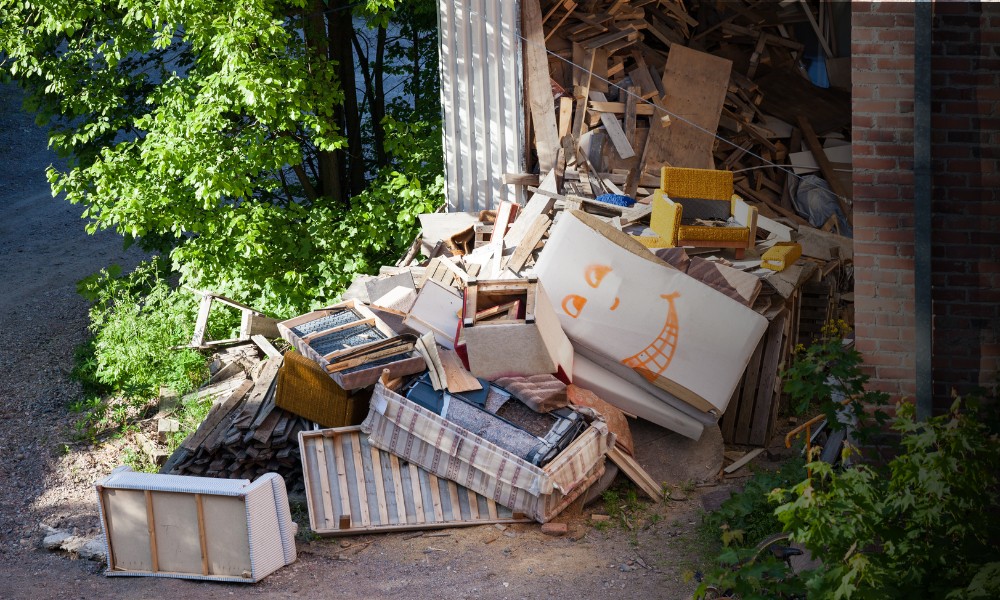
Hoarding is often misunderstood as just an extreme form of clutter or disorganisation, but at its core, it is deeply connected to emotions, trauma, and grief. For many people, hoarding is not simply about accumulating things, it is a way to cope with loss, sadness, and emotional pain.
When a loved one passes away, the grieving process can take many forms. Some people find comfort in keeping sentimental items, while others may struggle to part with anything at all, fearing that letting go of objects means letting go of their loved one’s memory. Understanding the connection between hoarding and grief can help individuals and their families navigate this complex issue with compassion and support.
What is Hoarding?
Hoarding is characterised by:
✅ Difficulty discarding possessions, regardless of their actual value
✅ Emotional attachment to objects, sometimes even to seemingly insignificant items
✅ Extreme clutter, making living spaces difficult to use
✅ Distress or anxiety at the thought of getting rid of things
For someone dealing with grief-related hoarding, these behaviors often begin or intensify after a major loss, such as the death of a parent, spouse, child, or even a beloved pet.
How Grief Can Lead to Hoarding
Grief is a deeply personal experience, and people process it in different ways. Some common reasons why a person might turn to hoarding after a loss include:
1. Holding On to Memories
When a loved one passes away, their belongings become reminders of them. A grieving person may feel that parting with these items means erasing their connection to the deceased. This is why people might keep clothing, letters, furniture, or everyday objects—anything that holds sentimental value.
2. Fear of More Loss
Losing someone close can make a person feel like their world is falling apart. This fear can extend beyond relationships and translate into an unwillingness to let go of physical objects. The mind may subconsciously believe that by keeping things, it can prevent further loss.
3. Filling the Emotional Void
Grief can create a profound sense of emptiness. Some individuals try to fill this void with possessions, believing that more “things” will ease the pain. This can lead to excessive shopping, collecting, or saving random items.
Material things cannot replace emotional healing. Instead, they can contribute to anxiety, shame, and a feeling of being trapped.
4. Avoidance of the Grieving Process
For some, hoarding becomes a way to avoid confronting painful emotions. Sorting through a loved one’s belongings can be emotionally overwhelming, so instead of making decisions, people may leave things untouched for years.
Avoidance can make grief last longer, turning the home into a living memorial.
Signs That Hoarding is Linked to Grief
If you or someone you know is struggling after a loss, here are some warning signs that grief may be turning into hoarding:
🔹 Keeping every item that belonged to a deceased loved one, even those without sentimental value
🔹 Feeling guilty about throwing anything away
🔹 Experiencing anxiety or panic at the thought of decluttering
🔹 Accumulating more possessions than usual to cope with emotions
🔹 Avoiding rooms or areas filled with a loved one’s belongings
🔹 Social withdrawal or refusing to let others into the home
If these signs are present, it may be time to seek support and guidance.
How to Cope with Grief-Related Hoarding
If grief is leading to hoarding tendencies, healing starts with gentle and compassionate steps. Here are some strategies:
1. Start Small
Decluttering does not have to happen all at once. Begin with one drawer, one shelf, or one small box. Take time to sort through items with care.
✅ Ask: “Does this item truly bring me comfort, or am I afraid to let it go?”
2. Create a Memory Box
If parting with all of a loved one’s items feels overwhelming, set aside a special box for the most meaningful objects – letters, photos, or a few cherished possessions. This allows for healing without excess clutter.
✅ Remember: You don’t need everything to keep the memories alive.
3. Take Photos of Sentimental Items
Sometimes, it’s not the object itself but the memory attached to it that matters. Taking a photo before letting go of an item can help ease the emotional burden of discarding it.
✅ Keep a digital “memory album” to preserve special items without cluttering your home.
4. Seek Support
Grief and hoarding can feel isolating, but you are not alone. Consider:
✔️ Talking to a therapist who specialises in grief
✔️ Joining a support group for those dealing with loss
✔️ Asking a trusted friend or family member to help with decluttering
✅ Healing is easier with support – don’t be afraid to reach out.
Julie, founder of Smart Living and Interiors explains why letting go of that emotional link can be so painful.
‘Letting go of items that have an emotional link or memory to a lost loved one can be extremely hard. The person may feel they are forgetting or moving on too quickly from the loss. This can escalate with some people and they then find themselves overwhelmed with clutter and unable to move forward.
This is when \’asking for help\’ and support from a Professional whose expertise and experience in clutter can help.
From the initial contact you may feel an instant sense of relief that you have been able to share your situation.
The benefits of seeking professional help is they have experience and are totally aware of the impact and overwhelm that clutter can bring. They are empathetic whilst being able to suggest and work with you to implement a staged declutter timeline to help you.
They have the tools and ideas to not only reduce clutter, install practical solutions to help with life moving forward but also how to balance keeping some items and how to also let go.’
5. Shift Focus to Healing, Not Just Possessions
Instead of focusing on what’s lost, try shifting toward what remains – love, memories, and new opportunities for growth. Engaging in self-care, therapy, or activities that bring joy can help the grieving process.
✅ Healing isn’t about forgetting, It’s about learning to live again while carrying love forward.
Final Thoughts
Hoarding and grief often go hand in hand, but healing is possible. Holding onto a loved one’s belongings doesn’t bring them back, and it doesn’t mean you loved them more. True healing comes from honouring their memory in healthy ways while creating space for your own well-being.
If you or someone you know is struggling with grief-related hoarding, remember: you are not alone, and help is available. With time, support, and self-compassion, it is possible to let go – while still holding onto the love that truly matters. ❤️